

Something strange started happening when people went on Ozempic.
They stopped drinking.
Not because their doctor told them to. Not because of any known interaction. They just stopped wanting it. One glass felt like enough. Sometimes zero felt like enough. People who had been drinking heavily for years suddenly found alcohol kind of unappealing.
Then came the other reports. People quitting smoking without trying. Losing interest in gambling. Stopping compulsive shopping. One woman said she no longer picked at her skin, a habit she’d had for fifteen years.
The drug was approved for weight loss. Nobody was prepared for this.
Here’s what’s actually going on.
Your brain is not just in your head
GLP-1 stands for glucagon-like peptide-1. It’s a hormone your gut produces naturally after you eat, signaling to your brain that food has arrived. Ozempic, Wegovy, and the other semaglutide drugs mimic this hormone artificially, and at much higher levels than your body would ever produce on its own.
For a long time, researchers assumed GLP-1 receptors only existed in the hypothalamus, the part of the brain that controls hunger and energy. That assumption was wrong.
GLP-1 receptors are scattered throughout the brain. They exist in the prefrontal cortex, which handles decision-making and impulse control. They exist in the brainstem, which is why nausea is such a common side effect. And they exist in the nucleus accumbens.
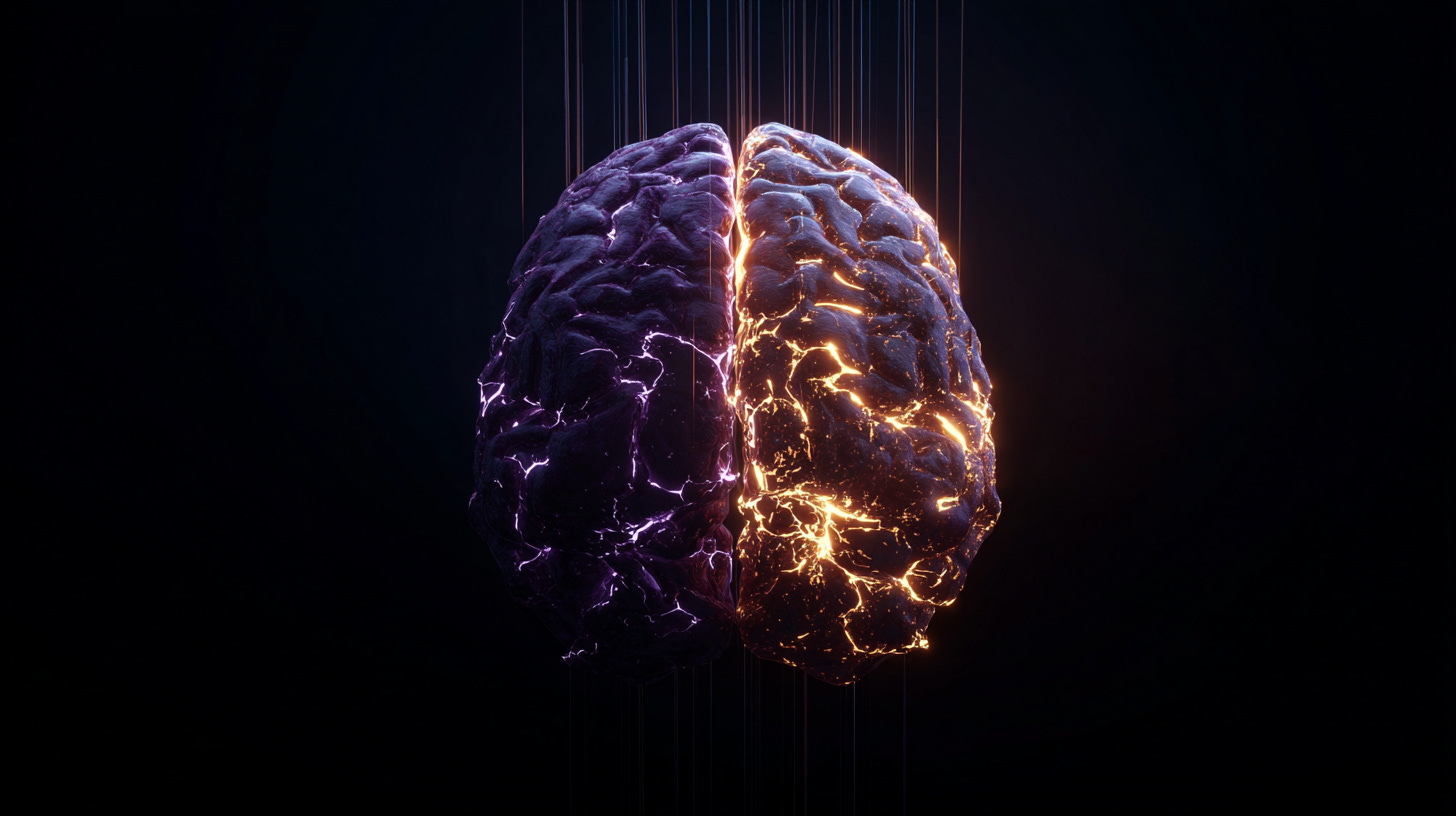
The nucleus accumbens is your brain’s reward center. It’s the region that lights up when you eat something delicious, drink alcohol, use drugs, win money, or have sex. Every pleasurable experience you’ve ever had ran through this region. And it is loaded with GLP-1 receptors.
The dopamine connection
The nucleus accumbens runs on dopamine. When something rewarding happens, dopamine floods in and you feel the pull toward that thing again. This is not a flaw in human design. It’s the system that kept our ancestors seeking food and reproducing.
The problem is that the system doesn’t distinguish between a meal and a bottle of vodka. It responds to the dopamine signal, not the source.
When GLP-1 drugs activate receptors in the nucleus accumbens, they appear to dampen that dopamine response. The reward signal from food gets quieter. But so does the reward signal from alcohol. And nicotine. And gambling. And whatever else your reward system had learned to chase.
This is what people on Ozempic describe as “food noise” going silent. They’re not just describing reduced hunger. They’re describing a quieter reward system across the board.
A 2023 study in JCI Insight found that semaglutide significantly reduced alcohol consumption in people with alcohol use disorder. Separate research showed reductions in nicotine dependence. Clinical trials are now underway for opioid addiction.
A weight loss drug might turn out to be one of the most significant discoveries in addiction medicine in decades. That wasn’t the plan.
What this means for you
Whether you’re on a GLP-1 drug or not, this finding matters. It tells us something important about how addiction actually works. It’s not about the substance. It’s about the dopamine signal. Change the signal, and the pull toward the substance changes with it.
It also tells us that the gut and the brain are connected in ways medicine is only beginning to understand. Your gut isn’t just digesting food. It’s running signals that shape your mood, your cravings, and your behavior.
That’s the case. Next week we open a new one.
On Thursday, paid subscribers get the full investigation. The exact mechanism behind GLP-1s and the dopamine system, what the clinical trial data actually shows on addiction, and a practical breakdown of what this research means for anyone dealing with compulsive behavior, with or without a prescription.
Subscribe at thedopaminefiles.com if you want the full file.
See you next Monday.